
Systems, Power & Anti-Fat bias
Anti-fatness is not just an attitude. It is a structural force that shapes healthcare, employment, and public life.
Anti-fat bias isn’t just individual prejudice but a system of oppression embedded in our institutions, policies, and cultural norms. Understanding these systems is the first step toward dismantling them.
Six Interconnected Systems

Medical systems
Healthcare providers pathologise fatness, deny care, and prescribe weight loss as a cure-all.
Examples:
• BMI used as a diagnostic tool
• Gaps in medication research and testing
• Medical equipment not designed for larger bodies

Employment
Hiring discrimination, wage gaps, and workplace harassment based on body size.
Examples:
• Size-based hiring bias
• Appearance or dress-code clauses
• Lack of accommodations
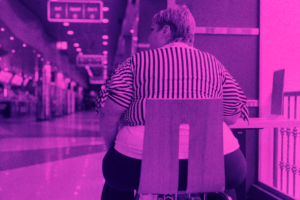
architecture
Physical spaces designed in ways that exclude or disadvantage fat bodies, often through hostile or inaccessible design.
Examples:
• Narrow seating, doorways, stalls and pathways
• Weight limits on furniture or equipment
• Inaccessible public transport
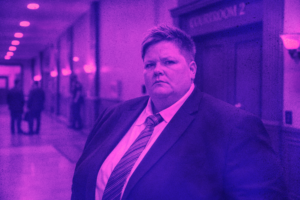
Legal System
Size is not a protected class in most jurisdictions, allowing discrimination against fat people in many areas of law.
Examples:
• Child custody bias
• Insurance discrimination
• Criminal justice bias

Education
Schools enforce diet culture, enable weight-based bullying, and create hostile learning environments for fat students.
Examples:
• BMI reports and weight tracking
• Humiliation and harassment in Physical Education
• Limited uniform sizes

Social & Cultural
Media, social spaces, and everyday interactions normalise anti-fatness and cultural erasure, shaping public perception and individual experiences.
Examples:
• “Bad fatty” tropes and stereotypes
• Dating discrimination and app filters
• Public commentary and microaggressions
Who Benefits?
The Diet Industry
Generating between $72 and $400 billion annually.
Weight loss programmes, apps, and supplements
Pharmaceutical companies pushing weight-loss drugs
Bariatric surgery industry
“Wellness” rebranding of diet culture
White Supremacy
Anti-fatness is rooted in racism.
Body ideals based on European beauty standards
Pathologisation and exoticisation of Black, Brown and Indigenous bodies
Eugenics history of BMI and weight science
Controlling Black women’s bodies through “health” discourse
Intersectional impact
Anti-fat bias doesn’t exist in isolation. It compounds with other systems of oppression:
Race & Fatness
Fat people of colour face intersecting anti-fat and racial bias across society. They experience under-treatment and higher maternal mortality in healthcare, harsher academic evaluation in education, stereotyped or erased representation in media, and over-surveillance or criminalisation in public spaces, with structural racism and weight stigma reinforcing one another.
Disability & Fatness
Fat disabled people are frequently blamed for their bodies and their disabilities, and their needs are deprioritised. Mobility aids are denied or undersized, accessible furniture and equipment are unavailable, and medical care often focuses on weight rather than the actual disability. In schools, classrooms, and workplaces, accommodations are withheld or minimised.
Trans Identity & Fatness
Fat trans people are routinely subjected to both transphobia and anti-fat bias, with their bodies treated as sites of scrutiny and control. Medical providers may gatekeep gender-affirming care based on size, hormones and surgeries are sometimes denied or delayed, and insurance often excludes coverage.
Class & Fatness
Fat people living in poverty or low-income conditions face both economic marginalisation and anti-fat bias. Healthcare may be inaccessible or unaffordable, nutritious food options limited by cost or availability, and weight loss programs marketed as solutions they cannot access. Employment discrimination, underpayment, and precarious work compound these challenges.